How Often Should Storage Tanks Be Cleaned?
What sets the cleaning schedule for your tanks
There's no single cleaning schedule that fits every tank. How often a tank needs to be cleaned depends on what it holds, how fast sediment and sludge build up, and what inspections or regulations apply. Here's how to figure out the right schedule for yours.
What the tank holds. Crude oil, fuel and produced water tanks build up sludge, sediment and water at the bottom over time. Fresh water and process water tanks build up silt, scale and biological growth. Chemical tanks may need cleaning any time the product changes.
How fast sludge builds up. The best guide is your own measurements. If sediment levels are climbing, the tank is losing usable capacity, or product quality is dropping, it's time to clean. Many owners check sediment levels on a regular schedule and clean when it reaches a set level.
Inspections. Many aboveground storage tanks have to be emptied and cleaned before an internal inspection, so cleaning is often scheduled around the inspection cycle your company or industry standards require.
Repairs and change of service. Any time a tank needs repairs, new coatings, or is switching to a different product, it has to be emptied and cleaned first.
Signs a tank needs cleaning now: dropping capacity or flow, clogged outlets or filters, off-spec or contaminated product, strong odors, or corrosion concerns. Don't wait for the next scheduled cleaning if you see these.
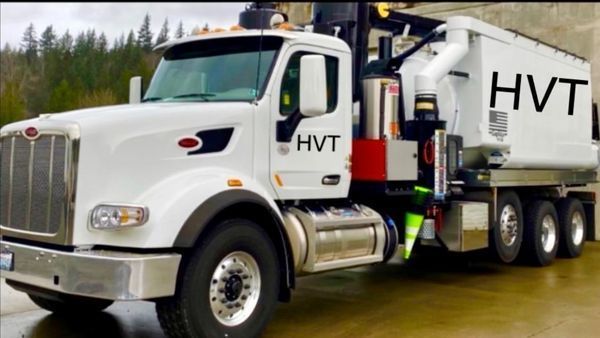
What tank cleaning involves: a vacuum truck removes the liquid and sludge, the tank is washed out, and the waste is hauled off for proper disposal. Confined space entry, if needed, is done under the site's safety program.
Houston Vacuum Truck provides tank cleaning, sludge removal and containment cleanout for storage, water and industrial tanks across Houston and all of Texas. Call 832-521-5201 to schedule.