Spill on Your Job Site? What to Do in the First Hour
Steps to keep people safe and limit the damage
A fuel, oil, drilling fluid or chemical spill on a job site can turn into a bigger problem fast, especially in Houston, where storm drains, ditches and bayous carry runoff away quickly. What you do in the first hour matters. Here's a simple plan.
- Keep people safe first. Move workers away from the spill, especially if there are fumes, fire risk or unknown chemicals. Shut off ignition sources if it's safe to do so. If anyone is hurt or there's a fire or serious exposure risk, call 911.
2. Stop the source if you can do it safely. Close a valve, upright a container or shut down the equipment that's leaking. Don't put anyone at risk to do it.
3. Contain it. Use spill kits, absorbent socks, booms or dirt berms to stop the spill from spreading. Protect storm drains and inlets first, since anything that reaches them can end up in a creek or the bay.
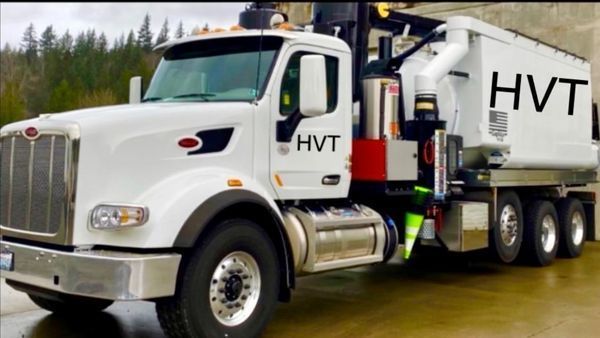
4. Call for cleanup. A vacuum truck can recover pooled liquids, sludge and contaminated water quickly, which limits how far the spill spreads and how much soil has to be dug out later. Houston Vacuum Truck answers 24/7 at 832-521-5201.
5. Make the required notifications. Depending on what spilled and how much, you may need to report it to your client, the site owner, the Texas Commission on Environmental Quality (TCEQ) or the National Response Center. Check your site's spill plan or permit for the exact requirements.
6. Document everything. Take photos, note the time, what spilled, roughly how much, and what you did to contain it. This helps with reporting, insurance and keeping the job on schedule.
After the spill
Once the liquid is recovered, contaminated soil and absorbents have to be removed and disposed of properly. Plan for that before you restart work in the area.
Houston Vacuum Truck provides emergency spill response, liquid recovery and cleanup across Houston and all of Texas, 24/7, 365 days a year. Call 832-521-5201.